
Mardan–Mirboo North
Landcare Group
Our Activities and Projects
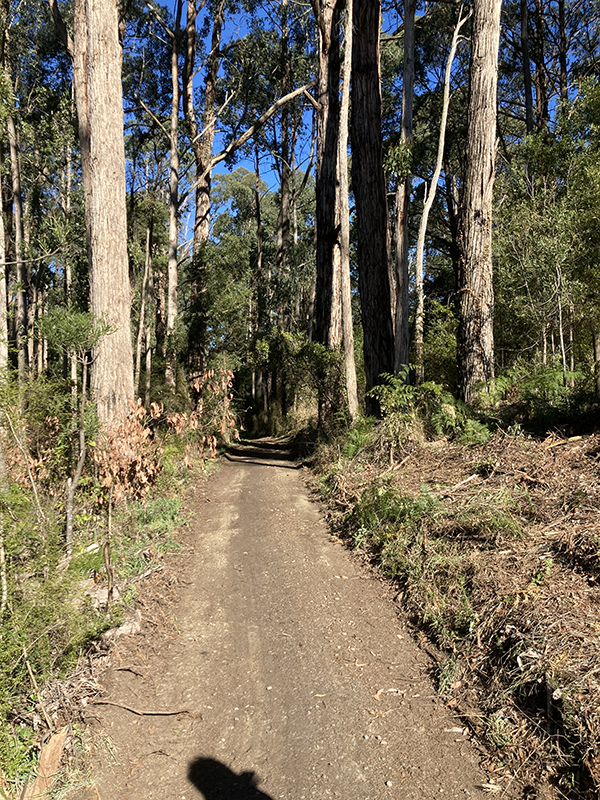
Friends of Baths Rd Reserve Working Bee
The Friends of Baths Road Reserve is auspiced by MMNLG and, with the support of the South Gippsland Shire Council, works to preserve and rejuvenate this important area of remnant wet forest adjacent to Baromi Park in Mirboo North. The Friends group has regular working bees held on the last Sunday of each month to work on areas within the reserve, including clearing weed species. The working bees are also lively social occasions, featuring all-important refreshments at the end of each session.
Get involved:
The Friends of Baths Rd Reserve will hold its next working bee from 10am to midday on Sunday 30 August 2026. Please come along and join us. Remember to bring water, sunscreen and appropriate clothing/footwear for the day. Contact Us for more information.
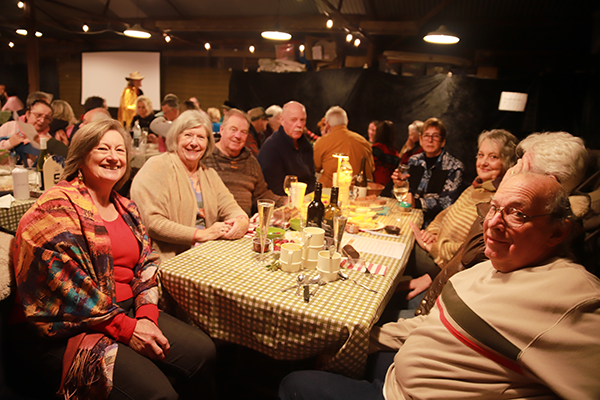
MMNLG Trivia Night
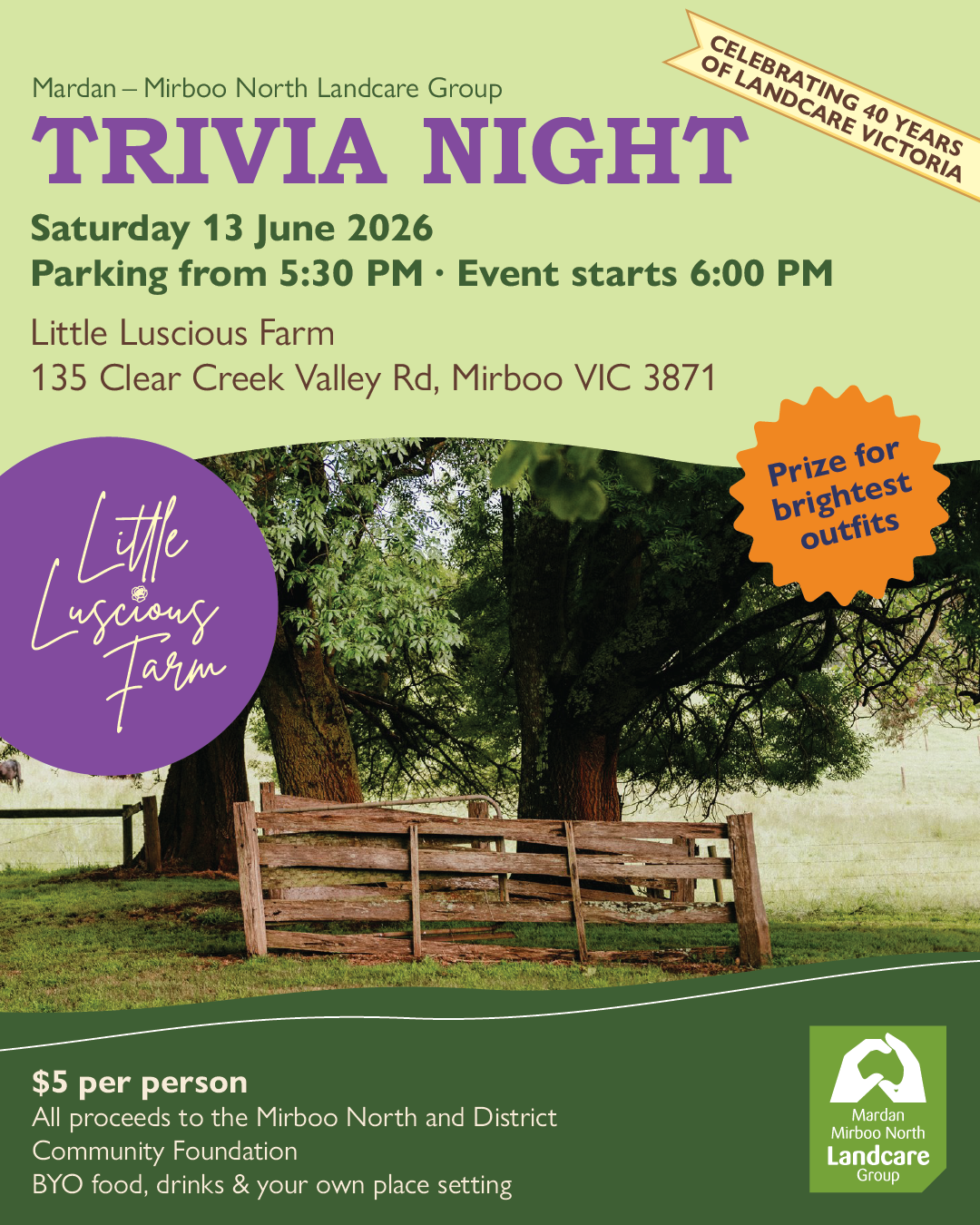
Mardan – Mirboo North Landcare Group hosted a wildly successful trivia night at Little Luscious Farm in Mirboo to celebrate 40 years of Landcare Victoria and raise funds for the local community. There was plenty of friendly competition, expertly moderated by our emcee Linda Ryan. All proceeds went to the Mirboo North and District Community Foundation, which also supported the event, along with the South Gippsland Shire Council.
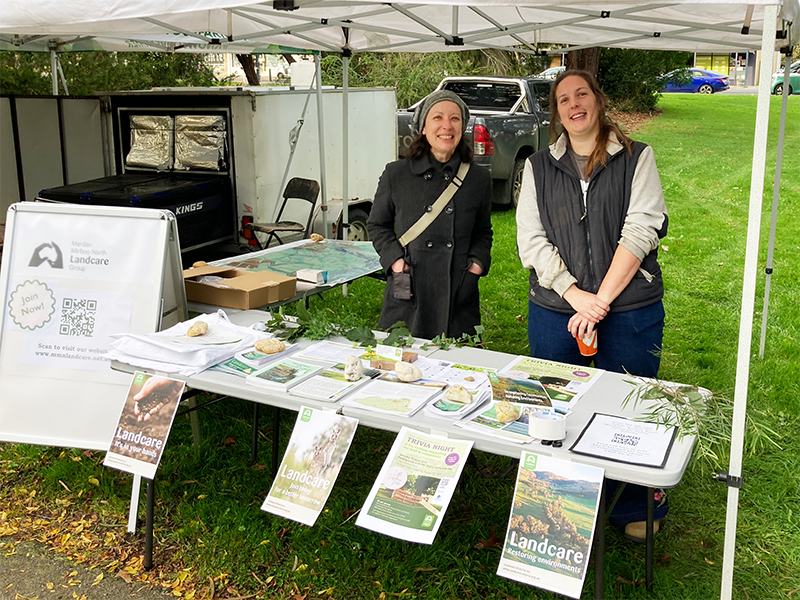
Mirboo North Market Stall
We run a stall at the Mirboo North Market where you can find out more about Landcare and our activities. We also have a range of free resources that can help you care for the land, and you might even be able to score a free native plant for your garden!
Get involved:
Check back here soon for our next market date.
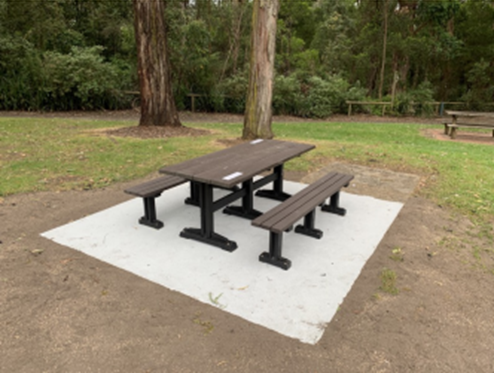
Baths Rd Reserve Grant Funding
We would like to acknowledge the generous support from the Mirboo North and District Community Bank which provided grant funding for a picnic table at Baths Rd Reserve.

Bendigo Bank Community Bank branches give up to 80% of profits back to the community with the aim of developing long-term prosperity by supporting programs that help empower local individuals and groups within the local community.

Strzelecki Erosion and Landslip Project
MMNLG received a grant through the West Gippsland Catchment Management Authority to tackle erosion and landslip issues in priority locations within our catchment. During 2024, MMNLG volunteers worked on fencing and tree planting at the project sites. This work has successfully stabilised the ground in affected areas and reduced the impact of gully erosion.
Knowledge and Skills Development
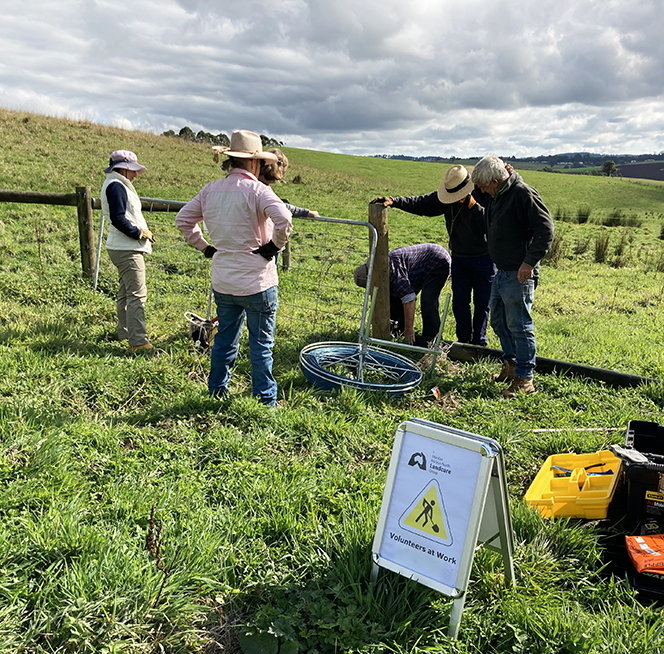
MMNLG provides opportunities for members to develop knowledge and skills to help build capacity for environmental sustainability and land management. MMNLG members Heather Matthies and Ian Hasty recently ran a fencing training session where other members were able to receive practical, hands-on training in fencing techniques. Participants learned how to erect end assemblies and run insulated wire for electric fences. The session also allowed members to become familiar with the range of fencing equipment that MMNLG has available for members to borrow.

Reversing habitat loss
Most of the MMNLG area is pastural land, with only small patches of remnant native vegetation remaining. With the support of landowners, MMNLG has sought to restore native habitat in key areas through revegetation efforts. Since 2002, MMNLG has planted more than 20,000 trees to revegetate cleared land with native flora appropriate to the local ecology. This work continues today and is a core part of the group's efforts to preserve and improve the environmental value of our local area.

Building biolinks
MMNLG is capitalising on work done in 2021 and 2022 by the Preserve our Forests Mirboo North and District Steering Committee, the Victorian Environmental Assessment Council and the South Gippsland Landcare Network to target priority locations for building biolinks and connectivity for at-risk native fauna. This work includes linking ongoing revegetation efforts with existing remnant vegetation to create a wildlife corridor in the southern part of our catchment area.

Flyer
MMNLG event

Flyer
MMNLG event


Flyer
MMNLG event